
If your problem hasn't been solved, maybe you've been looking in the wrong places.
Persistent pain, movement limitations, changes in mental sharpness, and athletic performance plateaus can involve factors that aren't immediately obvious. I look beyond the symptoms and limitations to investigate what may be holding you back.
What if the missing piece was never part of the evaluation?
You've tried the treatments. You've done the exercises. Maybe you've even been told everything looks normal. Yet the problem persists.
Pain, movement limitations, and performance challenges can involve multiple interacting systems. Sometimes the most useful clues aren't found where the symptoms appear.
That's why your evaluation needs to look beyond the obvious.
He asked me questions and made connections between my various issues that no one had before.
The most important clues are often found beyond where it hurts.
Think of pain like a warning light on your car's dashboard. It tells you something is wrong, but it doesn't tell you exactly what's wrong.
A good mechanic investigates the entire system.
I take a similar approach—but with a different diagnostic manual. Beyond muscles and joints, I examine how the brain uses information from your eyes, balance system, and body to control movement.
Sometimes the missing piece is something that was never tested.
He who treats the site of pain is lost.
The precision, detail and intensity of the work he prescribed was impressive and nothing like I had ever seen a physical therapist do.
Here's what happens when you work with Roger.
Every client begins with a comprehensive, one-on-one evaluation. The findings guide a personalized plan built around your needs, responses, and goals.
Roger reviews your history, previous treatments, and goals, then assesses relevant physical and neurological systems to look for factors that may have been overlooked.
Through targeted testing and immediate retesting, Roger investigates how different systems interact and which interventions produce meaningful changes in your movement or symptoms.
Your findings guide individualized treatment and exercises. Roger adjusts the approach based on your progress, helping you build the capabilities needed for the activities that matter to you.
…he teaches you how to take care of yourself so when you don't have time to see him, you know what to do to feel better.
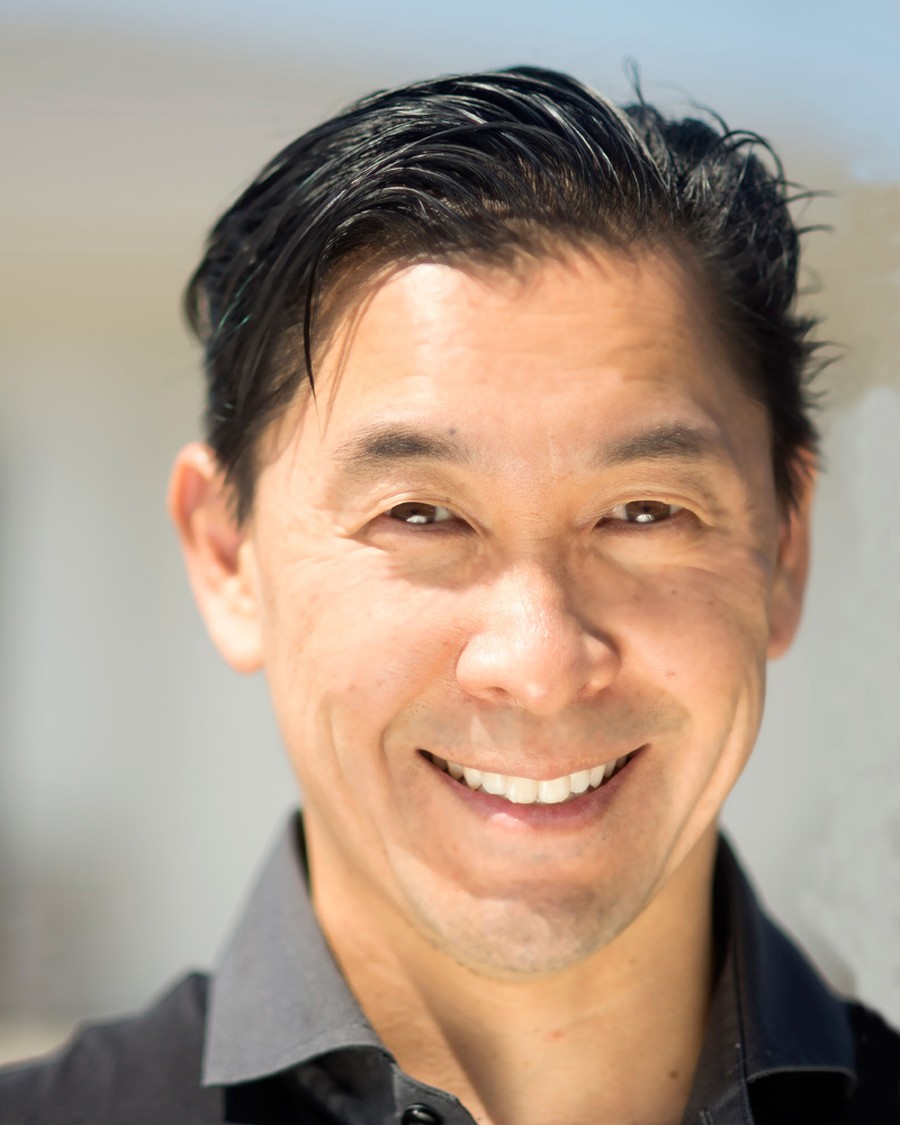
Experience matters. So does knowing where to look.
Roger Yamanaka, PT, has spent 27+ years helping people whose bodies hadn't responded the way they expected. Trained in orthopedic rehabilitation, athletic training, strength and conditioning, and applied neurology, he brings all of it to one unhurried assessment—so what you get isn't a protocol, it's a clinician who has seen a lot and knows which questions to ask next. Every session is with him.
The body tells a story. The assessment should know how to read it.
Strength, balance, and movement aren't produced by muscles alone. They depend on the quality of information your nervous system receives—from your eyes, inner ear, joints, skin, and breathing—and how it organizes a response. When that information is inaccurate or conflicting, the system tends to protect: tightness, guarding, less confident movement.
So alongside a thorough orthopedic exam, Roger tests those inputs directly and watches what changes your movement or pain in the moment. What responds, he builds on. What doesn't, he leaves out. Not every problem traces to a single cause, and he won't pretend it does—but measuring the response, one input at a time, is how the plan stops being a guess.
Getting you back is just the beginning.
There's a difference between getting a car running and getting it to perform at its best.
It's not just about horsepower. It's how the car handles, responds, and adapts.
Your body works much the same way.
By evaluating neurological systems that are often overlooked, I look for ways to improve how your brain and body sense, coordinate, and respond.
The goal isn't just to restore how you moved before. It's to see whether you can move and perform even better.
What if you have another gear you never knew about?
What if you could move more freely, think more clearly, and perform with greater speed, precision, and ease?
Feel your best. Perform your best. Automatically.
Imagine moving naturally, thinking clearly, and responding without hesitation.
That's flow—when your attention is fully engaged and movement and performance feel effortless.
Physically. Mentally. Emotionally.
There may be more
to the picture.
Begin with a conversation about your goals, what you've tried, and whether this approach is a good fit. If it isn't, Roger will say so and point you somewhere better.
Request a Private Assessment ↗